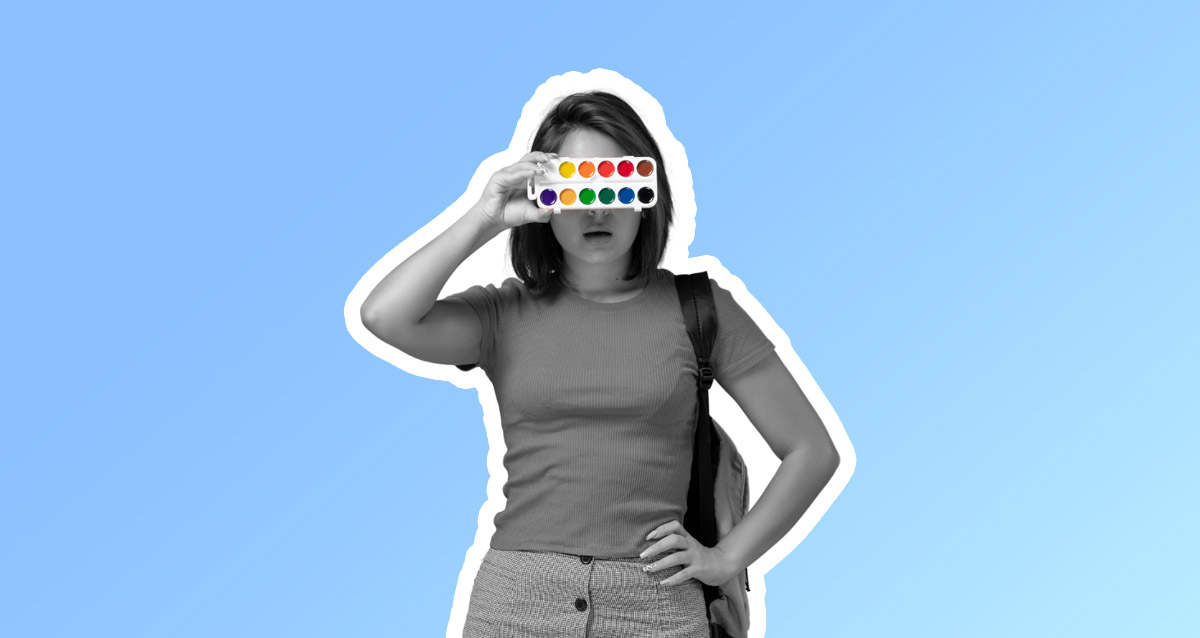
Color Theory in Graphic Design: A Simple Guide for Entrepreneurs

Celeste Zosimo
TL;DR: Color theory in graphic design isn’t just decoration, but a necessity for growth. Use the 60-30-10 rule to find your brand colors, and use reliable branding and logo design services to help you nail all these.
Want to know the secret to visually appealing, impactful designs for your brand? It’s about using the right colors. Colors have the power to evoke emotions, convey messages, and provide visual contrast. While professional graphic design services can point you to the right color direction, as entrepreneurs, it pays to know the basics of color theory in graphic design.
What is Color Theory in Graphic Design?
The study of how colors work and interact with each other is what’s known as color theory. It is also about how colors are perceived by the human eye. Color theory also involves understanding its different properties, namely:
- Hue: the name of the color
- Saturation: the color’s intensity or purity
- Value: the lightness or darkness of a color
In essence, color theory is a guide that helps designers and artists choose colors that look good and work well together. It is a science and art that business owners should know about. Colors play a major role in branding, marketing, and visual communication, so it’s crucial to know how to use them.
Never Struggle with Colors Again: Get Unlimited Graphic Help from Penji
Outsource all your design needs to the pros





Why Color Theory Matters for Entrepreneurs and Brands
While many think that color theory is just artsy fluff, they are totally mistaken. For many successful entrepreneurs, it’s a powerful conversion booster. Colors can sway emotions: red conveys urgency in flash sales, while blue conveys ironclad trust for many fintech and SaaS companies.
If you’re wondering why your visuals are falling flat, it may be that you skipped color theory. If you find it difficult to decipher color, leave it to professional graphic design services. These companies, particularly those that offer brand design services, can craft a color palette that reflects your brand’s personality and grit.
The Basics of the Color Wheel Every Business Owner Should Know
Understanding the terms and processes that go with using colors will help you as an entrepreneur. Your knowledge will help you clearly communicate your brand’s vision and mission with your designer. That said, the first thing you should know about is the color wheel.
It is the visual representation of the colors’ relationships with each other. It contains primary colors (red, blue, and yellow), secondary colors (orange, violet, and green), and tertiary colors (a mixture of primary and secondary colors). The color wheel helps designers understand color harmony and select the best color combinations that provide visual interest.
Understanding Color Psychology in Branding, Marketing, and Visual Communication
Color is a crucial and powerful element of branding, marketing, and visual communication. It impacts how consumers perceive your business, remember it, and engage with it. Colors are fundamental in giving your brand the following:
- Recognition: Colors make your brand instantly recognizable. Think of Coca-Cola’s red and Facebook’s blue.
- Connection: Colors have the power to evoke emotions and feelings that help businesses connect with their audience. Think red for energy and love or green for nature and peace.
- Memorability: Colors are easier to remember than shapes or texts. Brands that use distinctive and unique color schemes are more likely to be remembered by consumers. This characteristic is vital for brand loyalty and getting repeat business.
- Differentiation: Colors can send a clear message about your brand. Bright and vibrant colors can convey youth, while earthy and natural tones portray sustainability well.
- Optimization: Colors can strategically influence and affect customer behavior. Product packaging, calls to action, and buttons can come in colors that guide buyers into your desired actions.
How Different Colors Influence Customer Behavior
If you aren’t aware yet, colors aren’t random. They are excellent behavior influencers where it counts in business: straight in the wallet. Here are the top hues that can help you shift customer actions:
- Red: Conveys fire, heat, love, or anger. As mentioned above, it’s ideal for flash sales and food apps.
- Blue: Builds trust and credibility. You’ll find it in many SaaS and finance institutions, as it is associated with authority, calmness, and certainty.
- Green: Signifies growth, health. Ideal for ecobrands and businesses to convey freshness and sustainability.
- Orange: Projects fun, warmth, and friendliness. Suitable for CTAs or discount drives.
- Yellow: Excellent for alerts, showing energy, warmth, and camaraderie. Suitable for toys, bargains, and food.
- Violet: Elegance, luxury, and timelessness. You’ll commonly see it in fashion and other high-ticket brands.
- Black: Exudes power, luxury, and exclusivity. Commonly found on tech brands or high-end jewelry.
- Pink: Conveys playful softness and femininity; ideal for brands targeting young adults.
- Brown: Shows authenticity and sustainability. Mostly seen on coffee products or everyday buys.
There are more, but if in doubt, you can always consult a design-as-a-service platform specializing in brand or logo design services.
Popular Color Schemes Used in Professional Graphic Design
The terms Cerulean Blue or Burnt Sienna can be confusing, and honestly, who remembers the exact names of about a million colors? For many entrepreneurs, knowing colors is an excellent idea, but color scheming may be stretching it a bit too far. This is why professional graphic design services can help you. They will know about proven schemes that beautifully balance pop and polish.
What’s important is that you know the following color terminologies:
- Primary Colors: Blue, red, and yellow are considered primary colors because you cannot create them by mixing other colors. They are the foundation or building blocks for all colors.
- Secondary Colors: Green, violet, and orange are the secondary colors. You’ll get these when you mix equal parts of two primary colors. Yellow and blue equal green, red and blue equal violet, and red and yellow equal orange.
- Tertiary Colors: These are what you see as yellow-green, blue-violet, and red-orange. You can make tertiary colors by mixing one primary color with a secondary color.
- Complementary Colors: These are the colors located opposite each other on the color wheel. They create a strong contrast when you use them together. Examples of complementary colors are red and green or yellow and violet.
- Analogous Colors: These are the colors that are adjacent to each other on the color wheel. These create a cohesive, harmonious look when used together. Examples of this are red, orange, and yellow.
- Warm Colors: If you want to evoke warmth and energy, use warm colors such as red, yellow, and orange.
- Cool Colors: On the flip side, these are the colors that convey calmness and tranquility: blue, green, and violet.
- Color Harmonies: These are the specific color combinations that work harmoniously. They are monochromatic, analogous, complementary, triadic, and split complementary.
How to Choose the Right Brand Color Palette for Your Business
Don’t just rely on which colors look best; choose a few that align with your business goals. Here’s help on how to choose the right colors for your brand:
- Define your core: make a shortlist of your brand’s traits you want to project: trustworthy, sustainable, bold. Find the match to psychology.
- Know your audience: Millennials favor vibrant hues, while navy will appeal to execs. If you can, conduct a survey or just spy on your competition.
- Select a primary hue: One star color you’ll use 605 of the time and a secondary color to complement it (30% usage). Finally, choose an accent that you’ll use 10% of the time.
- Test, test, test: Go monochromatic if you want sleek, use complementary if you want to add punch. As always, consult the color wheel to ensure harmony.
- Check the real-world: Browse, research, stalk brands in the same niche as you. Look at what’s popular in the real world to get ideas.
If you find this an overwhelming endeavor, consult a brand design service to find out the latest trends and find a color scheme worthy of your brand.
Using Color Theory to Strengthen Brand Identity
Color theory isn’t all about building a pretty color palette. It is the glue that cements your brand in the customers’ minds. Use consistent color across your logos, websites, ads, typography, and social media presence. This can help you create visual whispers to your story every time.
Use analogous blues for trust or war triads for energy. Think of the 60-30-10 rule: dominant color for personality, secondary color to show support, and accents to grab the eyes. Remember to use contrasts; this allows for your palette to pop on apps, online ads, billboards, or dark mode.
Common Color Mistakes Entrepreneurs Should Avoid
Avoid falling into the following traps to keep your brand polished-looking and continuously converting:
- Using too many hues: Limit to only 3-5, more than that would be confusing.
- No audience fit: Don’t use your favorites, choose those that match buyer vibes.
- No style guide: Without rules, you run the risk of colors drifting.
- Low to no contrast: Results in unreadable CTAs.
- Chasing blind trends: Go for timelessness.
- Wrong industry match: Blue for finance, neveer neons.
A reliable design-as-a-service can help you avoid these or fix errors, if you’ve already stumbled.
Color Accessibility and Contrast Best Practices for Business Designs
If you’re looking for less mistakes, here are color accessibility and contrast best practices:
- Hit ratios from the get go: Use WebAIM checker, e.g. navy blue text on white background is instant 10:1.
- Avoid the red/green traps: The colorblind will miss them, add underlines or patterns to avoid.
- Links pop: 3:1 is the minimum, and hover states beyond color shifts.
- Large text: 3:1 is good for 24 pixels and more fonts.
- Mobile first: If you’re using dark mode, flip contrasts.
This may come as overly complicated, and you may want to work with a reputable graphic design service for this.
Useful Tips for Entrepreneurs
Here are a few helpful tips that entrepreneurs must consider when selecting and using colors for their brands:
- Define Your Brand Colors: Identify your brand’s personality if you haven’t done so yet. This will be your basis for selecting your brand colors. Ensure you choose one that aligns with these traits and creates your desired emotional connection with your audience.
- Create a Mood Board: Craft a mood board with color swatches, images, and other inspirations that represent your brand. Use this as a reference or guide throughout your branding journey.
- Be Consistent: Maintain consistency in colors across all branding materials, whether online or offline. This builds a recognizable and memorable brand identity.
- Think About Cultural Implications: If you’re aiming for the globalization of your brand, you need to be aware of the cultural implications of colors. Adapt your color palette for various cultural contexts. An excellent example to illustrate this is the color red, which in some Western cultures symbolizes love and passion. But in some Eastern cultures, it connotes luck and prosperity.
Final Thoughts
Understanding color theory in graphic design isn’t just for designers and artists. As entrepreneurs, you also need to learn about them as they can impact how your business communicates, expresses ideas, and connects with customers. You must incorporate color theory in your decisions to help boost your visual communication and make a lasting impression.
Our designers at Penji can help you find the best colors for your visual assets. Watch our demo video here or get them to start working on your project by clicking on this link.
FAQs
Coolors or Adobe Color can help you choose and build a harmonious color scheme fast. But for the best results, a brand design service can offer professional output.
Coca-Cola’s red is synonimous with the brand’s excitement and urgency, while Tiffany’s robin egg blue has now become its signature color that evokes trust, class, and elegance.
Yes. Choose those that offer unlimited branding and logo design services for fixed monthly rates. This way, you can get all the visuals you need without breaking the bank.