Graphic Design Services List for 2026: Trends, Tools, and Must-Haves

Carla Deña
TL;DR: Good design is no longer optional for growing businesses. This post covers the full 2026 graphic design services list, from logos and landing pages to motion graphics and packaging, plus how to get it all done without breaking your budget.
A graphic design services list is a breakdown of the visual design work businesses need to build a brand, market products, and communicate with customers.
In 2026, that list spans five core categories: branding and identity, digital marketing graphics, web and UI/UX design, print and packaging, and presentations and motion graphics.
The difference between a business that gets noticed and one that gets ignored often comes down to design. Not just a logo, but a consistent visual presence across every platform where customers encounter the brand.
According to Clutch’s 2026 graphic design industry report, 90% of businesses rely on graphic designers in some capacity, and nearly half increased their design budgets over the past year.
The demand isn’t slowing. It’s accelerating.
This post walks through the complete graphic design services list for 2026, the tools shaping the work, and the smarter way for businesses to get it all done.
What Are Graphic Design Services?
Graphic design services are creative solutions that help businesses communicate visually, whether through a logo, a website, or a social media post. At their core, they transform ideas into visuals that inform, engage, or persuade an audience.
The goal isn’t just aesthetics. It’s consistency, trust, and moving people toward a decision.
Think of it as visual storytelling. Every color choice, font, layout, and image says something about a brand before a single word is read.
That’s the real job of design: making sure what a business looks like matches what it actually is.
Some companies build in-house teams for this. Others work with freelancers. And a growing number of businesses subscribe to unlimited design services like Penji, where a flat monthly rate covers every request they can send.
Get all the designs you need at a flat monthly rate
Crafted by the world's top 2% designers

What’s on the 2026 Graphic Design Services List?
Here’s the updated breakdown, organized by category.
A. Branding & Identity
Branding design is the foundation. Before a business markets anything, it needs a visual identity that people recognize and trust.
Logo design anchors every brand. A strong logo is clean, scalable, and works from a business card to a billboard. In 2026, the best logos are minimal and versatile, holding up at small sizes and adapting cleanly across dark and light backgrounds.
A branding kit, also called a brand style guide, builds on the logo by defining the color palette, typography, icon set, and usage rules that keep every piece of content looking intentional.
Without one, even a great logo gets undermined by inconsistent execution across platforms.

B. Digital Marketing Graphics

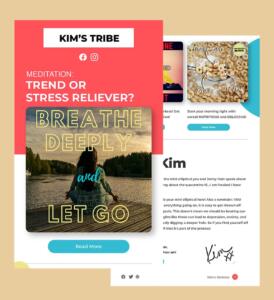
This is where design volume gets real. Businesses publishing content across social media, email, and paid channels need a constant stream of branded visuals.
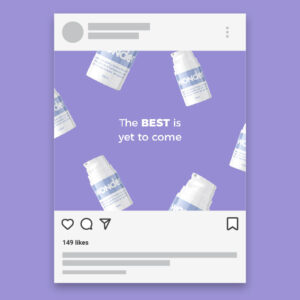
Social media graphics lead the category. Custom-designed posts, stories, and ads for Instagram, LinkedIn, and TikTok require visuals that stop the scroll and stay on brand.
Social media design isn’t just about making posts look polished. It’s about building a feed that feels deliberate and earns attention repeatedly.

Custom infographic design turns data, processes, or comparisons into something people actually want to share. A well-built infographic performs well in both organic and paid channels and often outlasts the campaign it was made for.

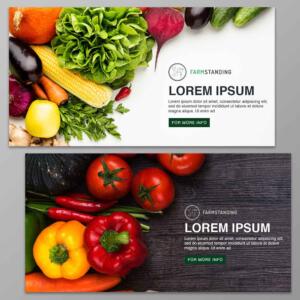
Display ad graphics round out this category. Banners, sidebar ads, and native images all need consistent branding and clear hierarchy. An ad that looks cobbled together loses clicks before anyone reads the headline.

C. Web and UI/UX Design
A business’s website is often the first place a potential customer forms a real opinion. Research consistently shows first impressions are roughly 94% design-related, which means the layout, spacing, and visual hierarchy on a homepage carry enormous weight before any copy is read.

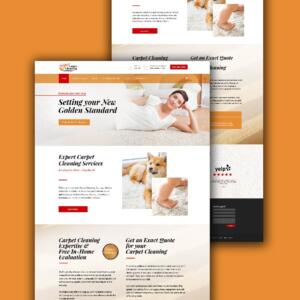
Website design services cover everything from full homepage layouts to individual section graphics, banners, and custom icons. Clean design with strong visual hierarchy keeps visitors focused and reduces the friction that causes people to leave.
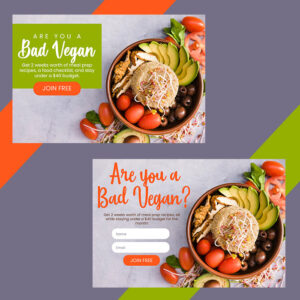
Landing page design takes this further. A page built around a single conversion goal, whether that’s a demo request, an email signup, or a purchase, needs every design element pulling in the same direction. UI/UX design for mobile and desktop ensures digital products are both polished and intuitive.

UI/UX sits at the intersection of brand aesthetics and user behavior, accounting for how people navigate a product, what visual cues guide them, and where friction tends to appear.

D. Print and Packaging Design
Print is far from dead. In many industries, physical materials still close deals.
Flyers, brochures, and posters carry brand messaging into real-world settings, from trade shows to storefronts. A trifold brochure that mirrors a company’s digital visual language tells clients that every detail has been considered.

Product packaging design is one of the highest-stakes categories on this list. Research consistently shows that three to seven in ten consumers factor packaging into their buying decisions.
A product that looks premium on a shelf or a product page earns trust before anyone tries it.

Business cards haven’t disappeared either. A well-designed card is a tangible brand touchpoint that communicates quality through paper stock, finish, typography, and layout choices.

E. Presentations and Motion Graphics
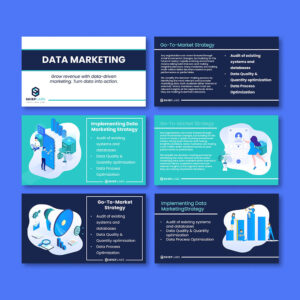
The pitch deck is having a moment. Whether it’s a presentation for investors or a client-facing proposal, polished slide design signals professionalism and signals that the business sweats the details. A strong deck doesn’t just support what’s being said. It makes the case independently.

Motion graphics have moved from optional to expected. Animated explainers, short-form video ads, and branded GIFs now compete for attention on the same feeds as static posts. Motion tells a story faster than a still image can and performs especially well in paid campaigns and product launch content.
What Tools Do Designers Use in 2026?
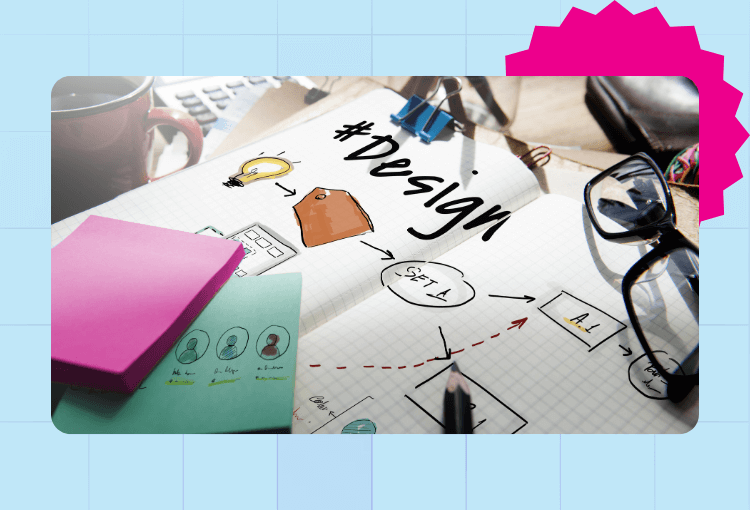
The tools shaping graphic design services in 2026 reflect how fast this industry has moved.
Adobe Creative Cloud remains the professional standard for branding, print, and motion work. Figma now dominates UI/UX and collaborative web design, with more than four million paying customers.
Canva has grown to more than 190 million monthly users and sits at the center of fast-turnaround content creation for marketing teams.
AI tools are also reshaping production workflows. According to data from Colorlib, 75% of designers now use AI tools in some form, up from 35% in 2023.
Adobe Firefly, Midjourney, and similar platforms are automating repetitive tasks and accelerating the exploration phase. But the strategic layer still belongs to human designers.
Businesses using AI well aren’t replacing their designers. They’re giving them faster tools and freeing up time for higher-level creative decisions.
Should You Hire a Freelancer or Use an Unlimited Design Service?

Most growing businesses hit the same wall. A freelancer works well until volume picks up, revisions start stacking, or turnaround times stop being predictable. Platforms like Fiverr and Upwork give access to talent, but managing multiple designers across multiple projects adds overhead that lean teams can’t easily absorb.
That’s the core case for unlimited design subscriptions like Penji. A flat monthly rate means no hourly surprises and no per-project negotiations. Requests come back in 24 to 48 hours. There’s no onboarding cycle for every new project.
And since Penji’s designers work across branding, digital, print, and motion, there’s no need to juggle different vendors for different categories on this list.
For small businesses, agencies, and startups scaling their content output, it’s a different kind of deal.
The Right Graphic Design Services List Starts With a Clear Strategy
The 2026 graphic design services list spans everything from a brand’s first logo to the motion graphics running in its paid campaigns. Clutch’s 2026 data shows that the businesses investing in design consistently are the ones growing their budgets, not trimming them.
Design isn’t overhead. It’s infrastructure.
See what Penji can do for your brand. Browse plans and get started today.
Frequently Asked Questions
Almost every business with a public-facing presence needs some level of graphic design. E-commerce brands, marketing agencies, startups, and content-driven businesses tend to have the highest ongoing demand, since they publish visual content across multiple channels and need assets that are both on-brand and ready to perform.
Small businesses typically start with branding essentials: a logo, a style guide, and social media templates. Larger companies need broader coverage across web design, motion graphics, packaging, and campaign-level production. The categories on the list are the same. The volume and complexity scale up as the business grows.
For teams that publish content regularly or run active marketing campaigns, it often makes more sense than freelance work. A flat monthly rate for unlimited requests is almost always more predictable than commissioning individual projects, especially once revision cycles, communication time, and variable turnaround are factored in. Penji’s model is built specifically for businesses that need consistent volume without the unpredictability.
Graphic design focuses on the visual communication of a brand, covering logos, print materials, social media, and marketing assets. UI/UX design is a specialized area focused on the experience of using a digital product. UI covers the visual layout of an app or website. UX governs how users navigate and interact with it. Most full-service design subscriptions, including Penji’s, cover both.